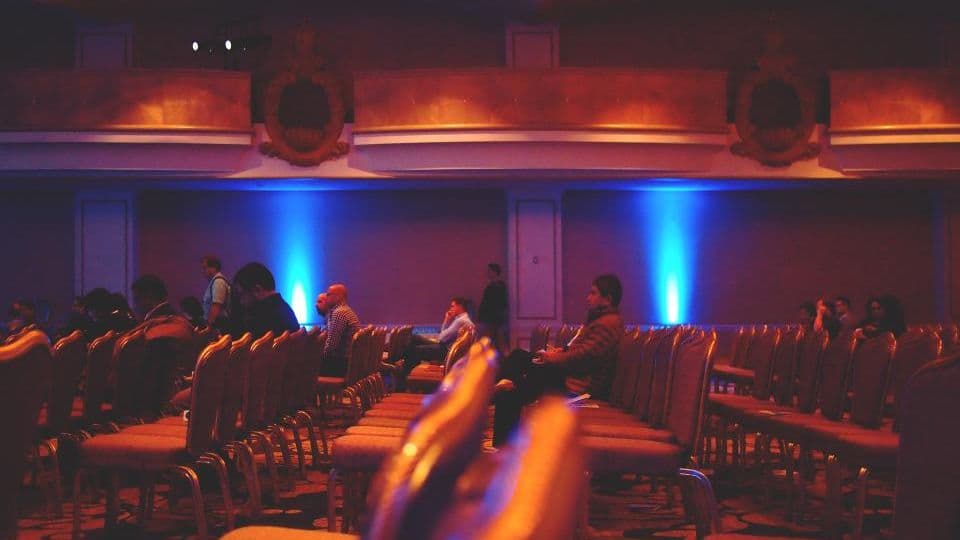
An event is a good reason to post, but the day itself is the busiest and least reliable time to do it. You are talking to people, setting things up and watching the clock. Plan the posts around the event, and keep the day itself light.
A simple plan
- 1A week before: announce it, with the date, the place, how to take part and what it costs.
- 2The day before: send one reminder, with the practical details people need.
- 3During: a few live moments, posted from your phone.
- 4Within two days after: thank everyone and share what happened.
Before
- Put the essentials in the first line: what, where and when.
- Give people one link for tickets or sign-ups, and test it.
- If there is a tag or a hashtag for the event, say what it is.
During
Do not try to cover everything. Pick two or three moments that show what it felt like, and post them from your phone as they happen. Live updates are best done by hand, because plans change on the day and a scheduled post may be wrong by the time it goes out.
After
The thank-you is the post that people remember. Name the people who helped, show a few of the best pictures, and say what you learned or what is next. Share photographs that others took only with their permission, and credit them.
Schedule what you can
The announcement, the reminder and the thank-you can all be written in advance and scheduled, which leaves you free on the day. Check the queue that morning for anything that has changed, such as a time, a venue or a cancelled speaker.
The day before the event, read every post that is still scheduled for that week. One wrong time in a reminder costs more than the effort of checking.